

Olympic Handisport Team Validates Human And Science's Guardian Prototype
Olympic Handisport Team Validates Human And Science's Guardian Prototype
Guardian proves its impact in elite para-rowing
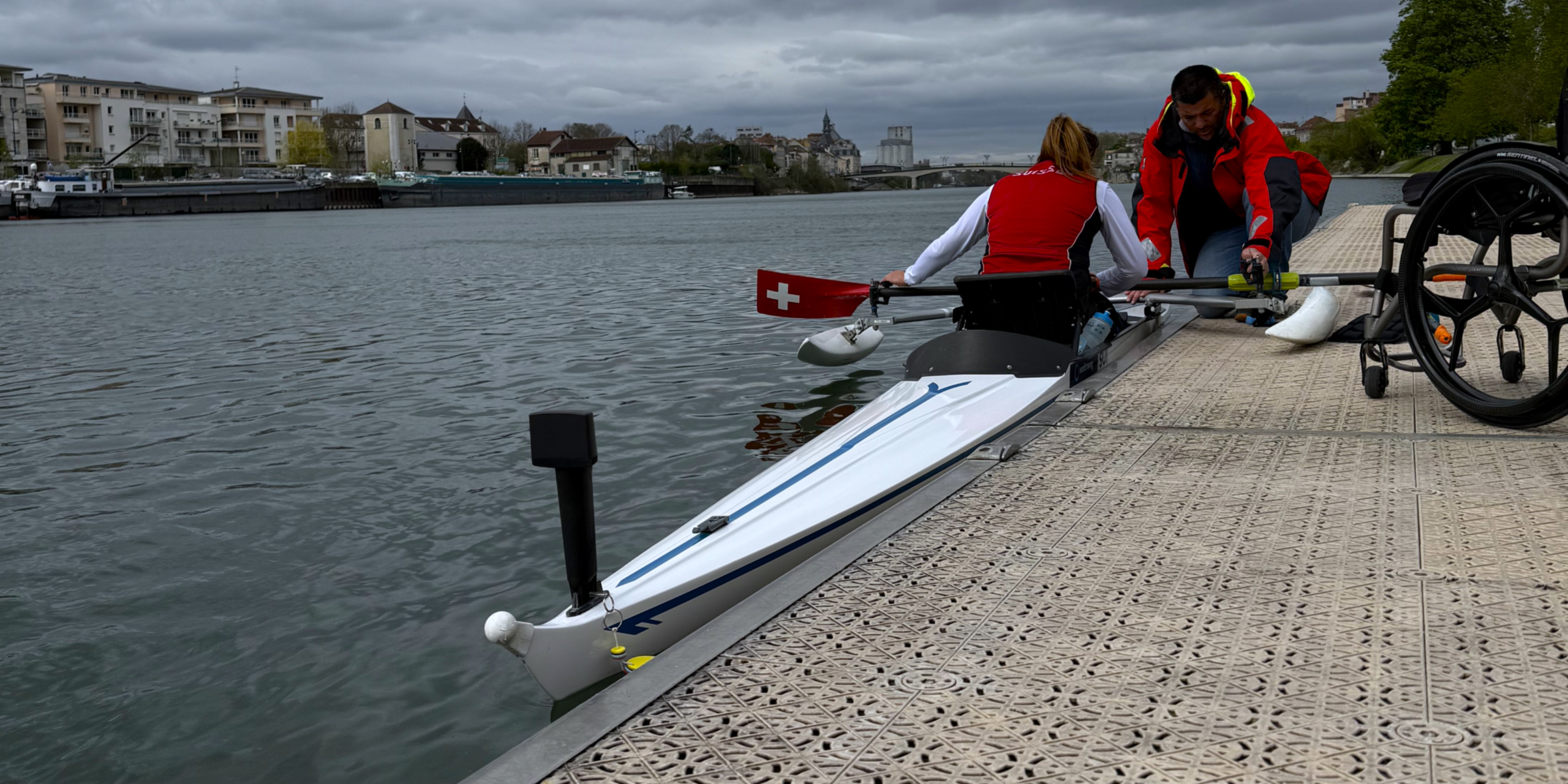
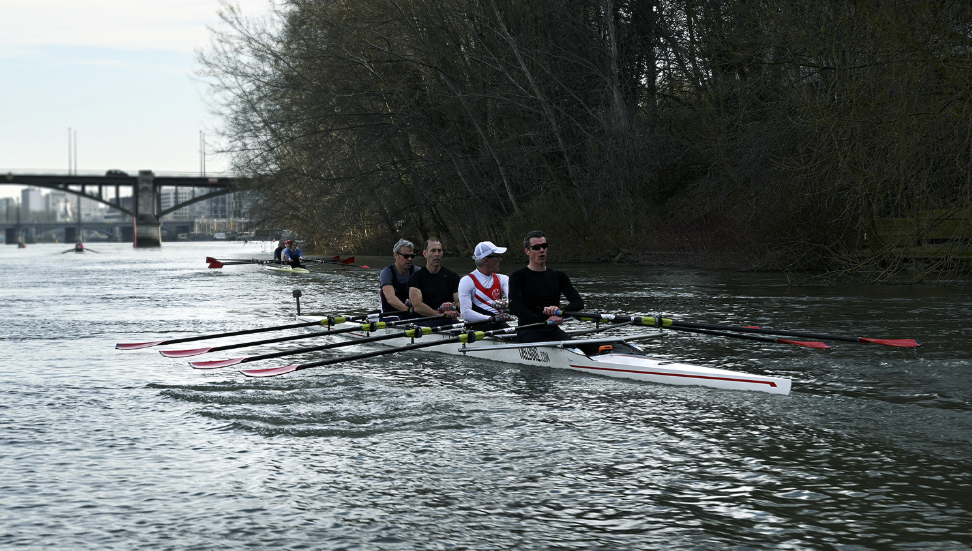
Tested in real conditions at Stade nautique de Vaires-sur-Marne with the French para-rowing high-performance program, Guardian successfully avoided a collision involving a para-athlete during Paralympic selection trials, achieving its core objective: ensuring safety in critical rowing situations without impacting performance.
This successful field experience confirms the relevance of Guardian for both elite teams and clubs across PR1, PR2 and PR3 categories, and supports ongoing discussions around its broader deployment and adoption as a new safety standard in rowing.

Human And Science Launches MVP in Parisian Rowing Clubs
Human And Science Launches MVP in Parisian Rowing Clubs
Guardian MVP: 18 months of real-world testing leading to a validated safety system
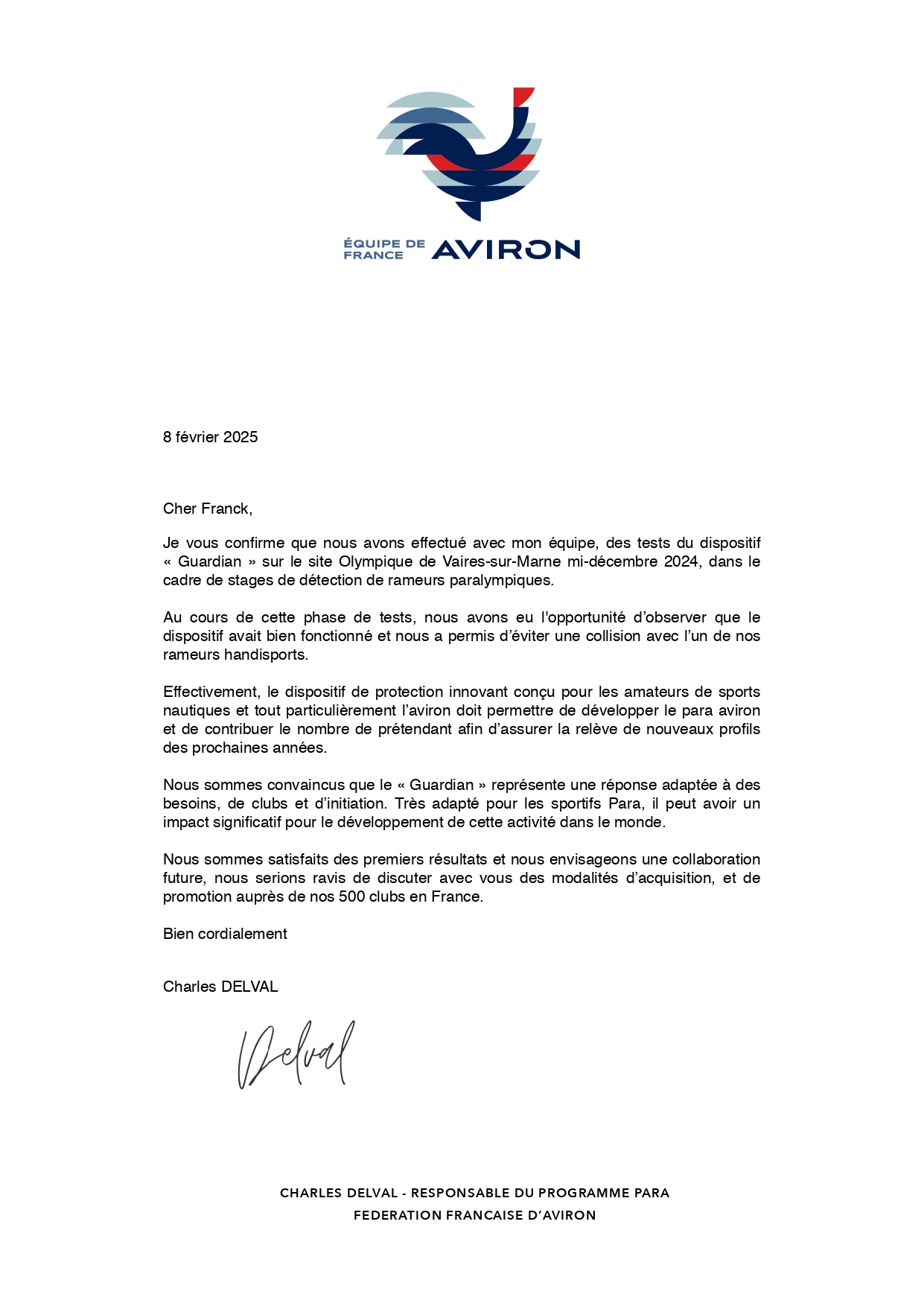
The Guardian MVP marks a key milestone in the development of our radar-based collision-avoidance technology for rowing.
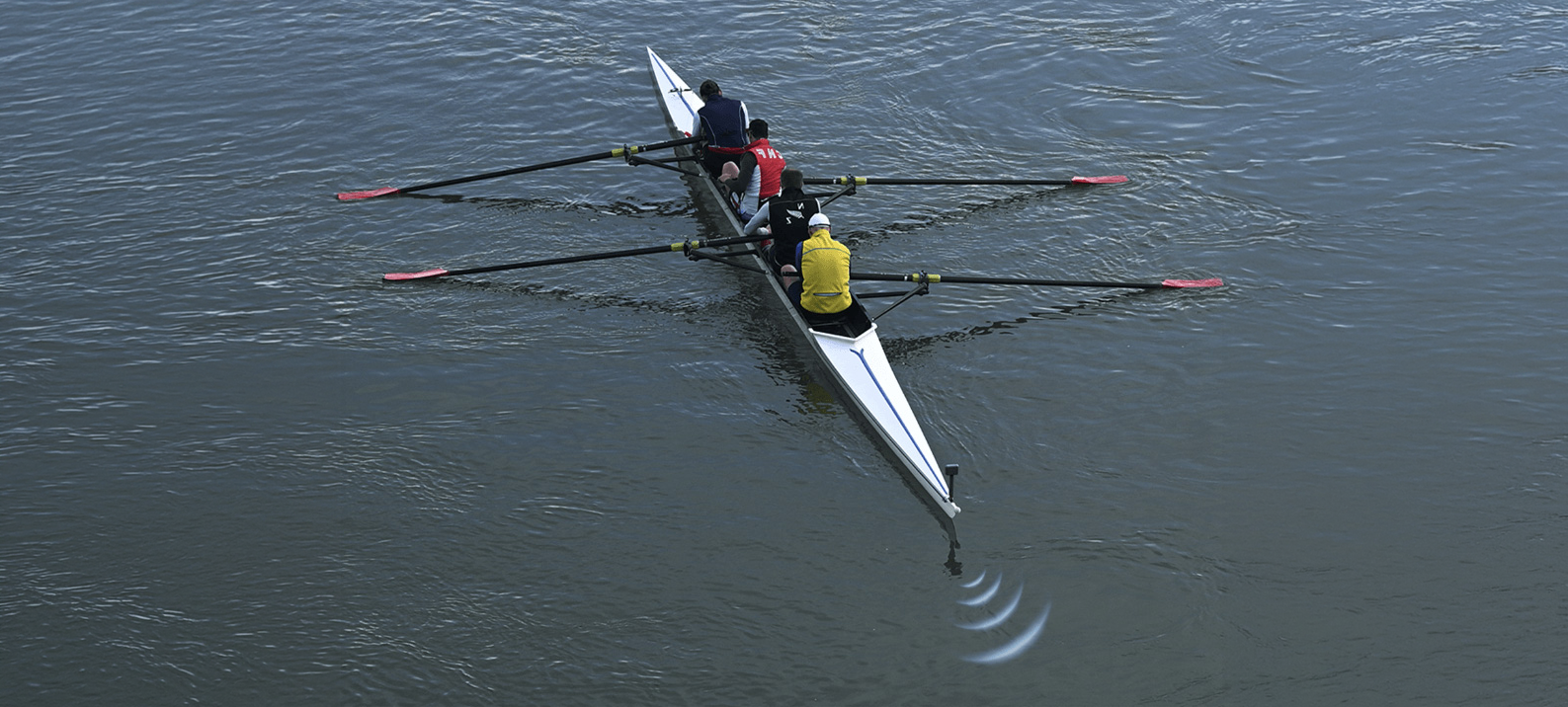
Built iteratively from multiple prototypes, the system was refined over 18 months of continuous testing and tuning, representing more than 1,000 hours of on-water trials. These tests were conducted in real operational conditions (on rivers, lakes, and open waterways) with national-level rowers, para-athletes, and also recreational rowers, ensuring performance across a wide range of real use cases.
Recreational users played a key role in refining the system experience, particularly regarding the audible alert system, which was adjusted to balance situations where the signal was sometimes too intrusive or not sufficiently noticeable depending on context and speed conditions. Their feedback directly contributed to improving usability in shared-water environments.
Additional technical iterations were also carried out with field experts to optimize detection logic, including a reduction in secondary radar sensitivity and the implementation of a 90-degree angular detection window, specifically designed to better anticipate and prevent lateral collision risks.
This extended validation process allowed us to progressively integrate feedback from all user profiles, including athletes with disabilities, and to adapt the system to the realities of both high-performance and leisure rowing environments. The result is a robust MVP validated under demanding conditions, where safety, responsiveness, and reliability are critical.
Following this phase, selected early users have already adopted the system, confirming its value in real deployment contexts and accelerating the transition from prototype to operational product.
The Guardian MVP now serves as the foundation for the next stage of growth: scaling deployment, expanding product formats, and strengthening adoption across rowing clubs and institutions worldwide.
Human And Science launching a new era of safety in rowing
Guardian : launching a new era of safety in rowing
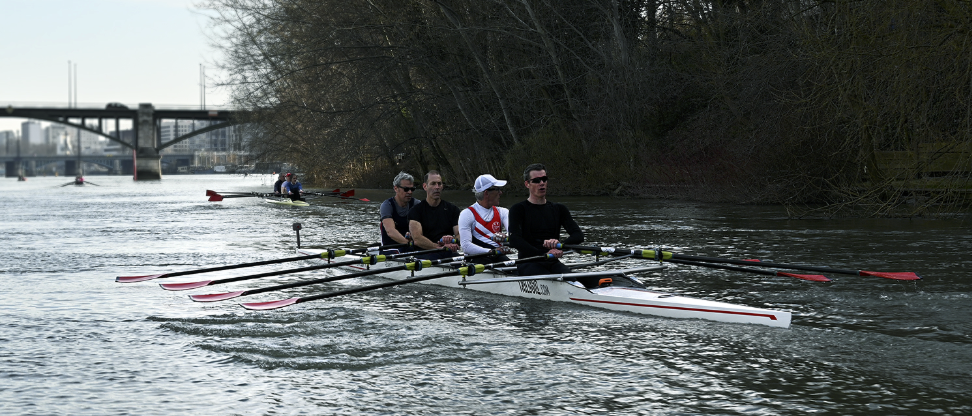
Guardian introduces an advanced radar-based collision-avoidance technology designed to significantly enhance safety and accessibility in rowing, including within the French Rowing Federation (Fédération Française d’Aviron framework).
Proven impact on safety
Early deployments have demonstrated strong results in real conditions: no injured athletes reported during tests, no crisis situations to manage, and a clear improvement in overall safety on the water. By reducing collision risks, Guardian directly supports safer training environments while reinforcing inclusion in the sport.
Para-olympic and inclusion impact
The system was tested and iteratively improved with feedback from para-rowing athletes, including athletes with disabilities, during high-performance training phases. Based on their real-world needs and feedback, particularly regarding safety, autonomy, and usability in mixed training environments, Guardian was refined and validated in collaboration with the French Olympic team selection staff, confirming its effectiveness at the highest level of performance.
Guardian also strengthens inclusion by reducing dependence on sighted coxswains, enabling safer individual training sessions, and making para-rowing more accessible, particularly for visually impaired athletes.
Operational and economic benefits
Beyond safety and inclusion, Guardian also improves operational efficiency: no need for boat replacement after collisions, reduced downtime due to repairs, and fewer missed competitions caused by unavailable equipment.
For reference on safety and sport governance priorities in adapted sports, see parliamentary insights on sport accessibility and equipment optimization :